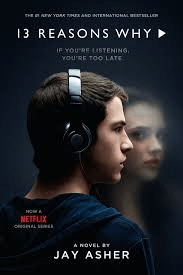
13 Reasons Why season 2 just hit the ground of Netflix and the impact have been seen on both positive and negative sides of the society.

For those who haven’t heard of the series, it is based on a novel by the same name and portrays high schooler Hannah Baker, who makes 13 cassette tapes for the 13 people who she feels are responsible for her death by suicide.
Now people have taken the part of the tapes and suicides so seriously that they relate to the abuse on a personal level and have tried to follow the happenings in the series. This is leading to suicides and murders as well. 13 reasons why focuses on a narrow narrative that implies that bullying leads to suicide. No one thing leads to suicide, and many people who experience bullying (or sexual assault, or any of the other very challenging experiences Hannah faces) do not go on to attempt suicide.
what people are remembering about the series, is that it really showed how bad things can get, and how cruel teenagers can be. It highlighted the impact that teenagers can have on each other. This is not a message of hope or empowerment. It’s a message that has quite terrifying implications when presented without guidance for parents, teachers, and other adults involved in the lives of teens.
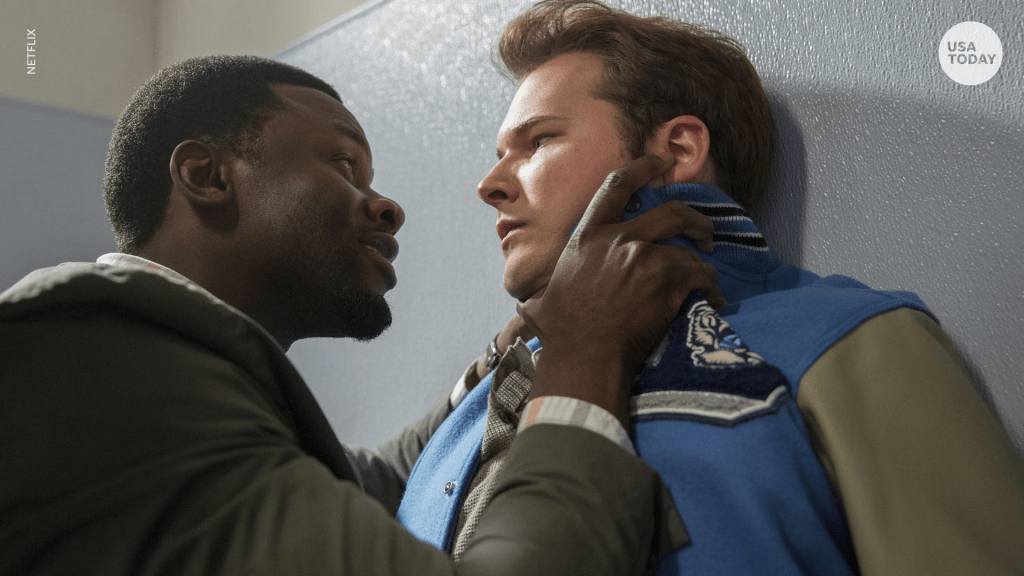
To that end, it doesn’t show what people can do to help prevent a suicide death. There isn’t any one thing, but there are a lot of things that can help provide support for people with suicide risk. The audience is shown what not to do without examples of what they actually should do. Imagine if all of the viewers got to see an adult doing a good job of supporting a teen in crisis, or another teen saying, “I’m here for you and will go with you to get help.” 13 Reasons Why can be very hard, even traumatizing, to watch. (This is why I haven’t watched it!) There are ways to tell a story about suicide that are compassionate and do not trigger high levels of emotional distress. It graphically portrays an act of suicide, a portrayal which is not safe for viewers and does not fit within best practices for media representations of suicide.
A common reaction of adults to 13 Reasons Why is Fear of what is really going on for teenagers today or fear that a teacher’s or counselor’s actions may a teen enough to influence them to attempt suicide. Fear tends to shut people down and leave them feeling like there’s nothing that can be done. Inspiring hope, by showing how adults can be supportive of teens facing the kinds of experiences Hannah faced in her school – like bullying and sexual assault – is a more effective way to prevent suicide.
Because it doesn’t feel good to present 13 arguments against something without at least one note of positivity, one thing that’s good about 13 Reasons Why is that it’s opening up awareness and conversation about issues that are typically hard to talk about, especially between adults and teens. Though there are many ways it doesn’t get it right in terms of suicide prevention, 13 Reasons Why is hitting the cultural mainstream at just the right moment to push an important issue into the spotlight.
 themerakiblues